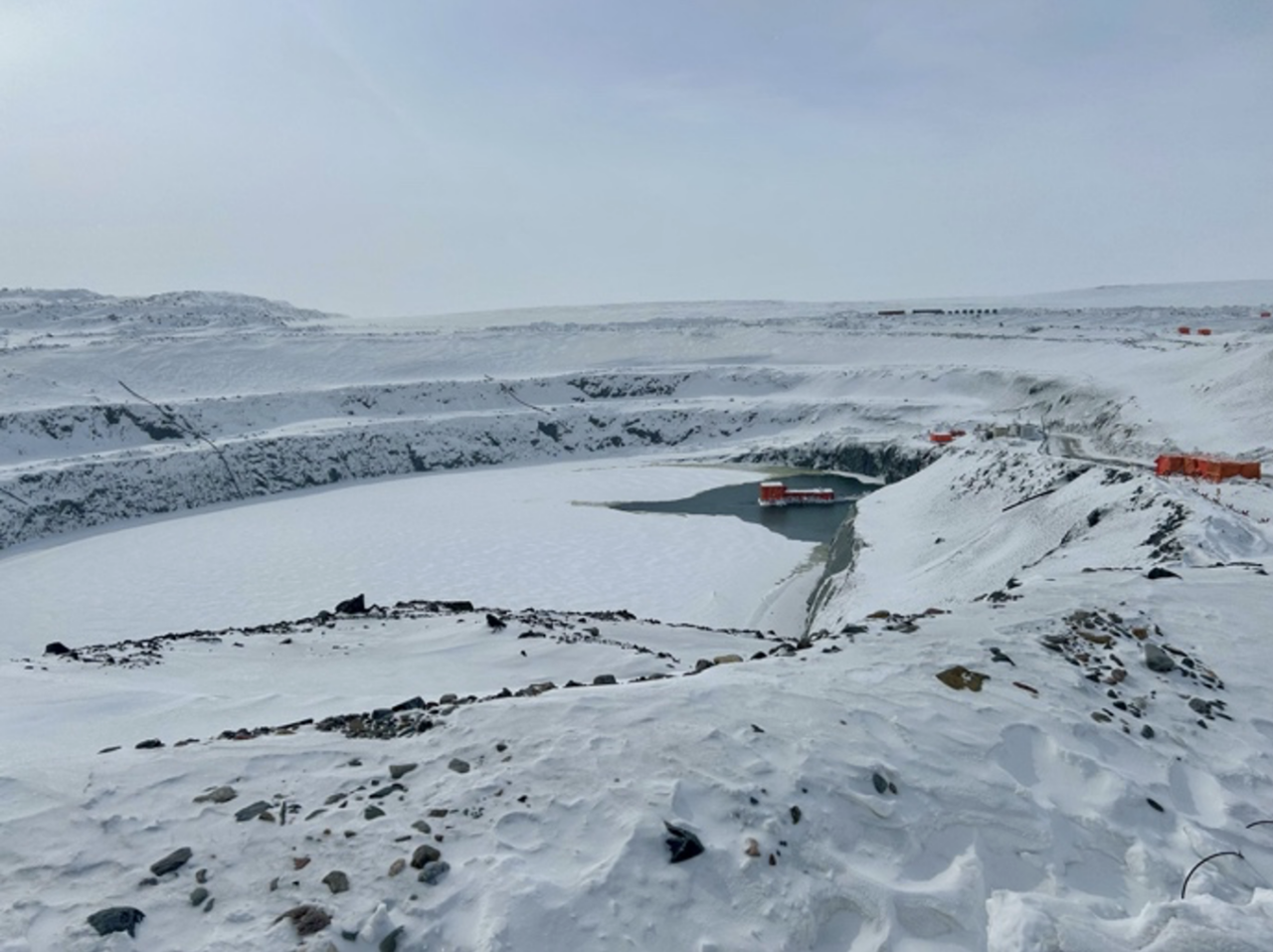
Issues: A very large mining operation was working with an engineering firm to design and build a new multi-bay truck maintenance facility in northern Canada – very northern, near the Arctic Circle.
Near the end of the design process, it was decided that the trucks needed to be cleaned prior to maintenance so the last bay was converted into a wash pad. Since they had limited space to work with and a tight timeline, the design engineers contacted us to assist with washing and treatment equipment and maximize their wash bay design.
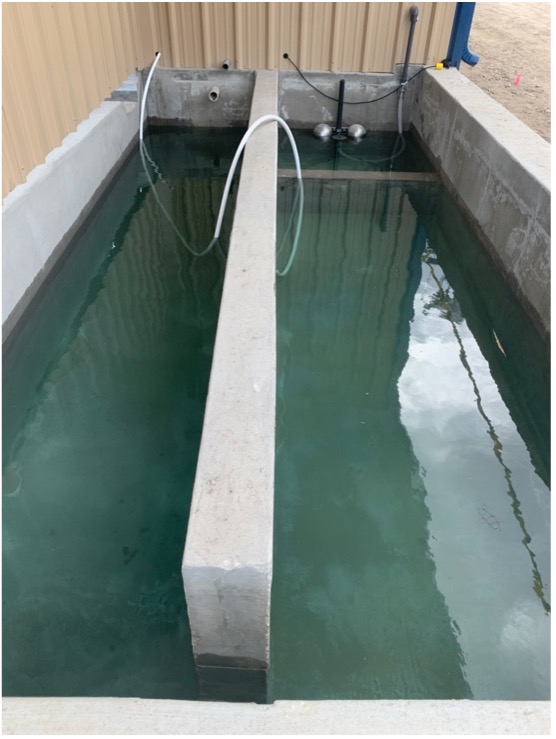
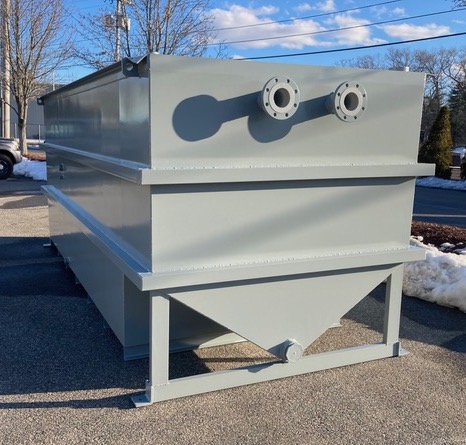
Solution: As with most mining operations in cold regions, most of their vehicles come in for maintenance covered in a lot of dirt, snow and ice. We worked closely with their engineers to first design a very efficient solids handling system and a substantial settling basin to fit into their footprint.
We then recommended a suite of pumping and washing systems for their two-story wash. Since they had a variety of vehicles and equipment, we recommended multiple compact water monitors placed strategically in the wash bay. Each monitor system will supply 100 gpm @ 100 psi. We also added hand-held 20 GPM @ 1000 psi demucking systems to help clean where the monitors could not reach and a heated pressure washer for finish washing.
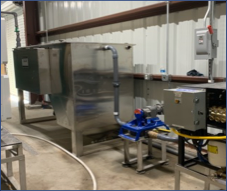
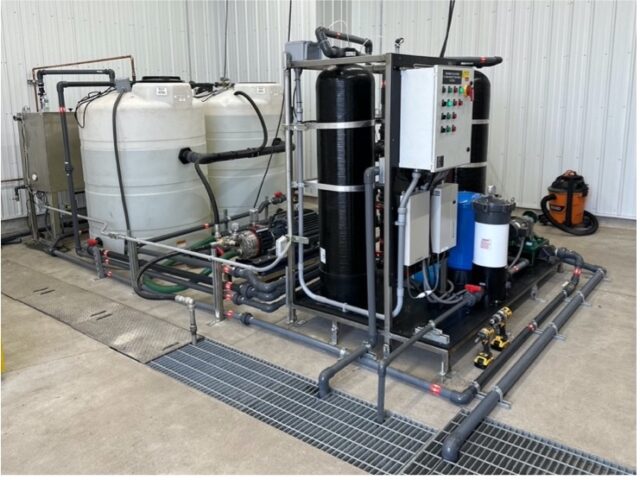
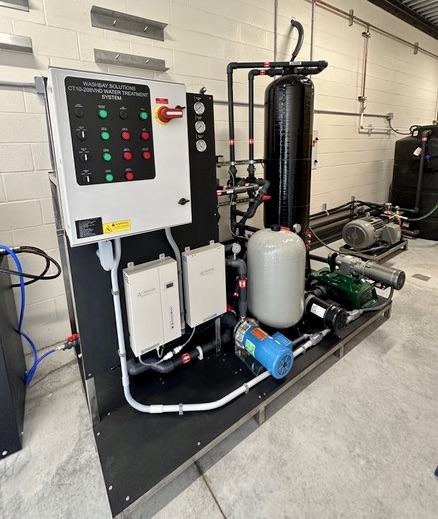
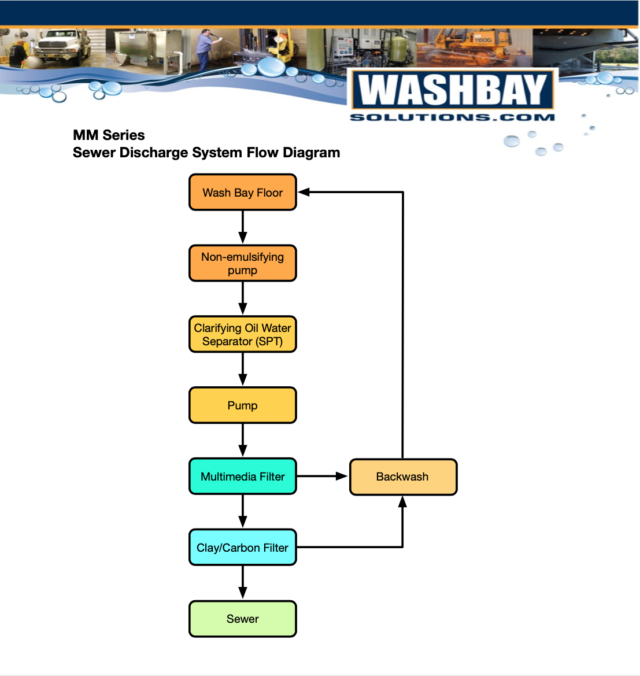
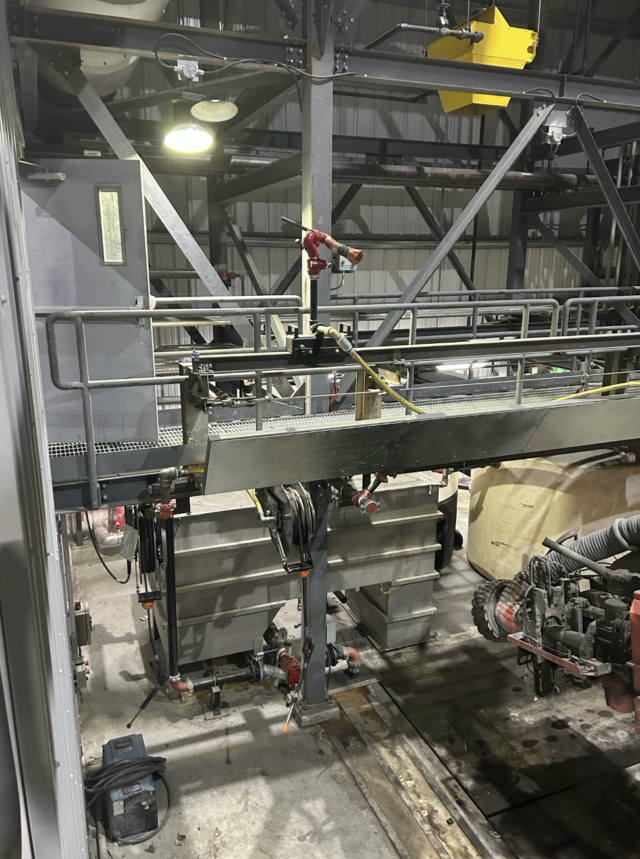
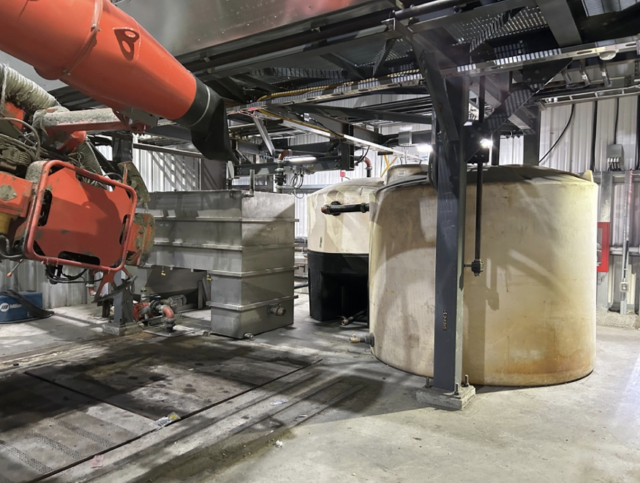
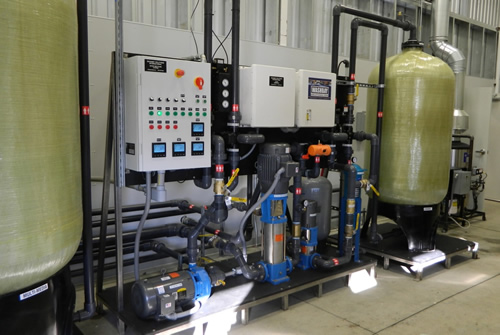
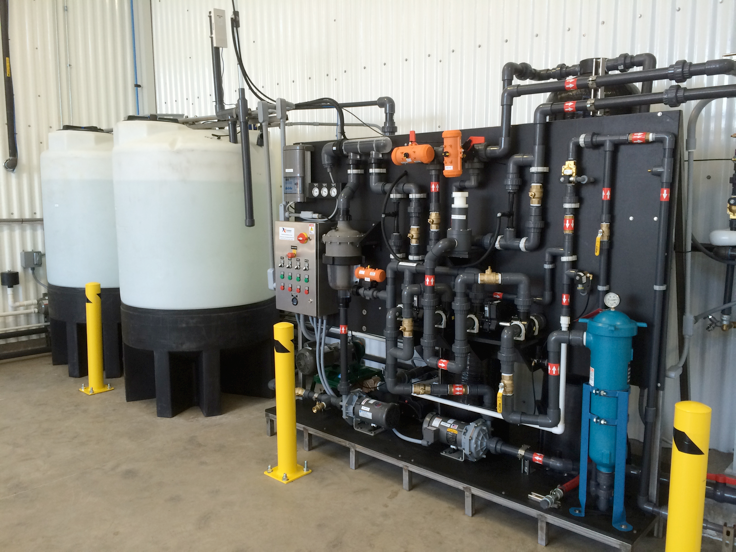
For their application, we also developed a fully automated closed loop water treatment and storage system which included a clarifier oil water separator, water storage tanks, solids filtration, activated carbon, polishing filtration, and air injection to reduced potential odors.
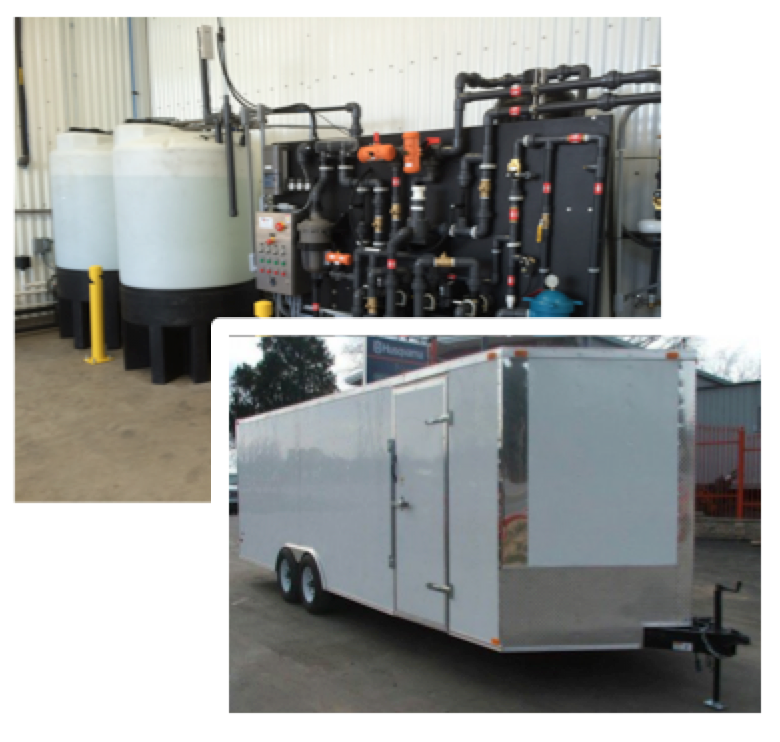
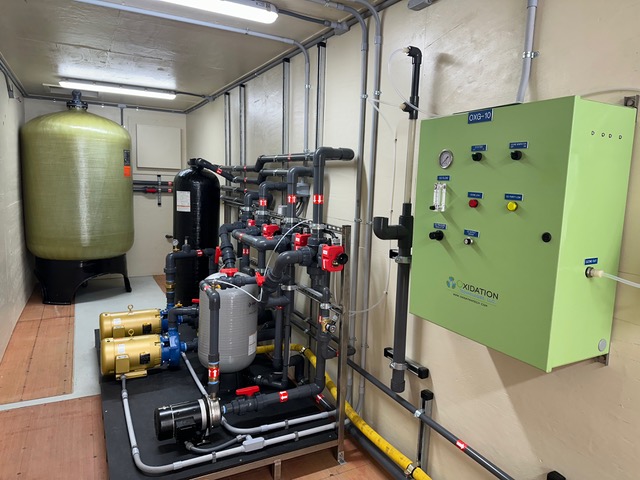
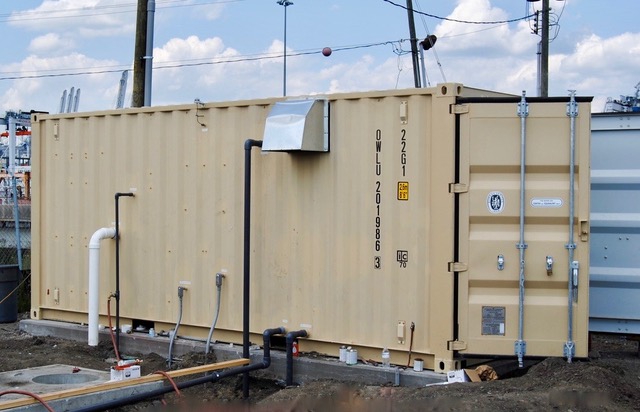
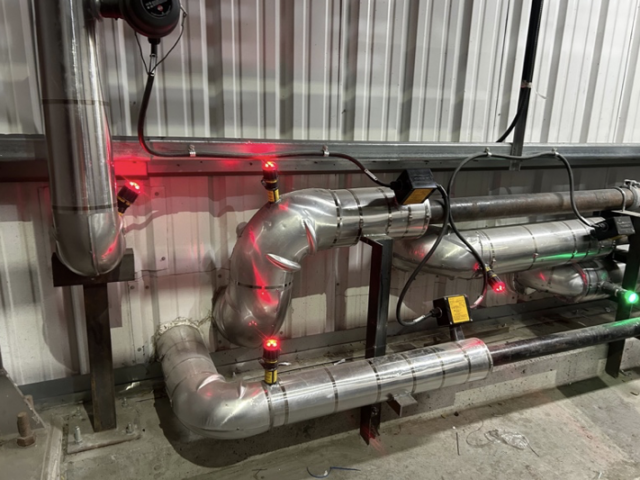
To save floorspace, they asked us to put as much equipment as possible into a transportable equipment room, located next to the maintenance building. Due to the extreme northern location, the walls, floors, ceilings all had to be insulated to -50°C. Piping and connections between the equipment room and the building had to be insulated and heat traced.
The client handled most the installation and Wash Bay engineers traveled to the site and did the system commissioning and start-up.
We offer a complete line of high efficiency, stainless steel above ground oil water separators that will remove nearly all free and dispersed non-emulsified oil and settleable solids from the waste stream.
We provide heavy-duty, multi-stage, closed loop and hybrid wash water treatment systems to clean
the wash water so it can be used over and over, saving thousands of gallons of water per year and
associated discharge costs.
The system can be designed in two ways. The first option is a complete closed-loop system with no
sewer discharge. With these systems, 100% of the water used by the pressure washers,
demuckers, and water cannons is recycled. As water is carried off with equipment, evaporated into
the air, or blown off the wash bay due to wind, make up water is added to the system to offset these
losses.
The second option is a hybrid closed-loop system. In our hybrid systems, water is recycled for the
de-mucking and/or water cannons, but fresh water is fed to the pressure washers. If the pressure
washer adds so much water to the system that all water storage tanks are filled to the maximum
level, any additional excess water is treated with carbon and sent to the sewer system.
Both systems are part of our comprehensive approach to water treatment that includes solids
settling, oil and grease removal, water filtration, odor control, and final polishing.
Stage 1 – Solids Settling
We help you develop site-specific solutions to eliminate as many solids as possible before the water
goes to the next stage of filtration. Solutions include sumps, basins, trenches or screening systems
that are custom-designed for your facility, washing processes and maintenance procedures.
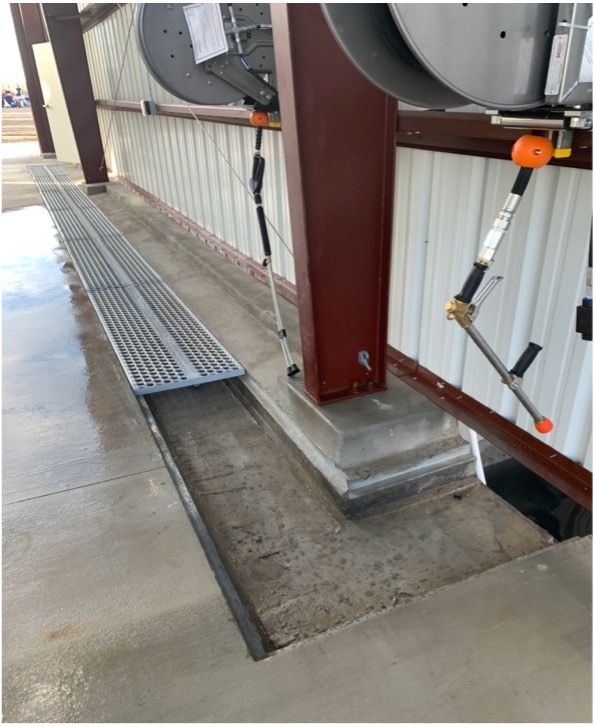
Solids Handling Trench System
Solids Handling Basin System
Stage 2 – Oils, Grease & Solids Removal
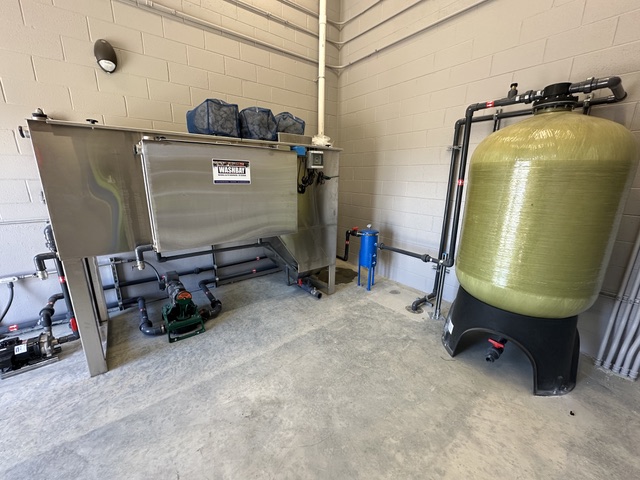
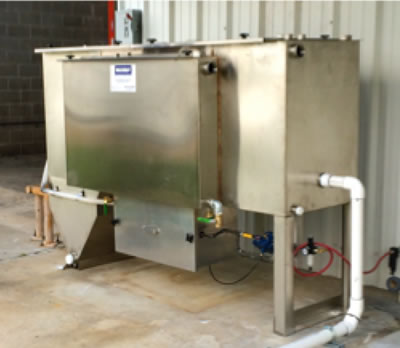
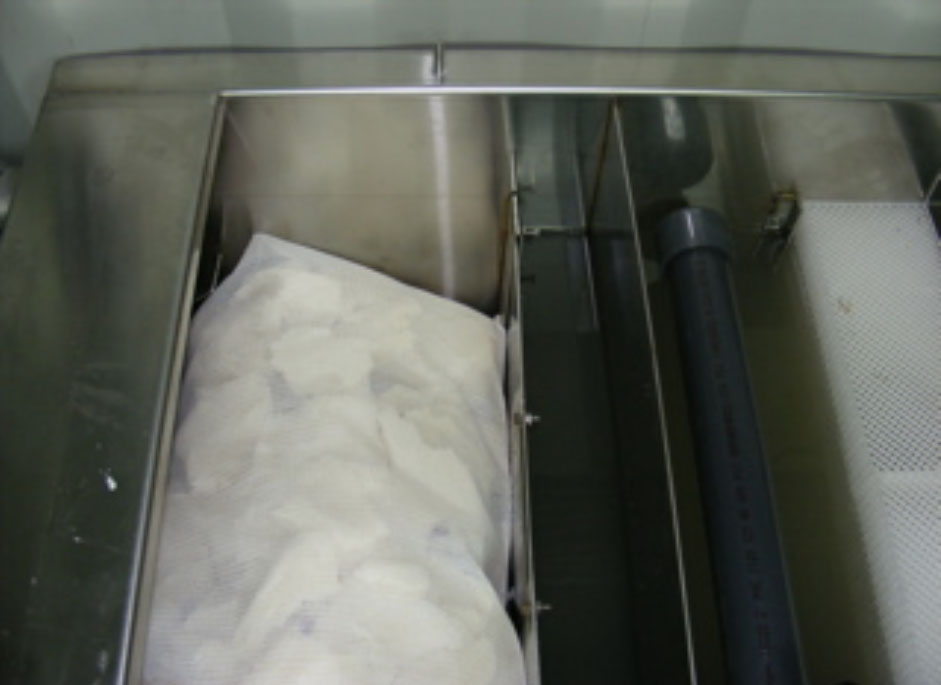
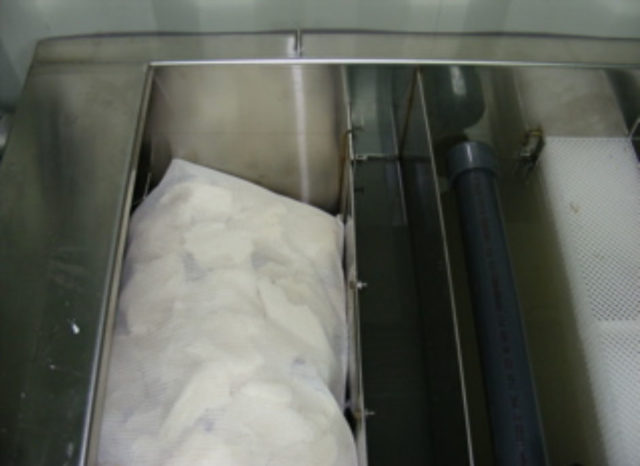
After the coarse solids settling, the water is processed through a multi-compartment stainless steel clarifier oil-water separator, which separates out smaller suspended solids, oil and water. In the first compartment, free oils float to the surface. In the second section, the stainless steel clarifying plates remove coarse amounts of oil and as much Total Suspended Solids (TSS) as possible. The angles of the non-clogging plates are 55° which allows solids to slide down the plates into the solids hopper, where they can easily be pumped out. Next, the water goes through our coalescing media which removes essentially 100% of all free and dispersed non-emulsified oils so the FOG effluent concentration can be as low as 5 ppm.
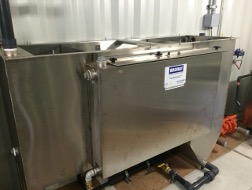
SPT-10 Clarifier Oil Water Separator
SPT-30 Clarifier Separator with Pump & Control
Stage 3 – Water Filtration & Odor Control
After the clarifier oil-water separator, the water is pumped though several filtration steps including multi-media (sand, gravel, anthracite), blended activated carbon, polishing filter, and corona discharge ozone. These filters reduce odors and any contaminants to fewer than 10 microns in size, including emulsified oils, waxes, and other volatile organic compounds. Media, carbon, ozone and water storage volumes are typically customized to meet your particular application.
Stage 4 – Final Polishing Filtration
In the final polishing filtration section of the CT system, water is pumped from the storage tank
through a blended activated carbon bed (customized for your application) and then through a final
cartridge filter. When the pressure washers require water, the pump will provide clean, treated
water, free of particles, substantially all emulsified oils, waxes and other volatile organic compounds.
Closed Loop System Features
10-100 GPM Design Flow (Larger systems are available)
Non-Ferrous Construction – Stainless Steel, PVC, Fiberglass
Fully-Automatic, pre-wired
Multi-Stage / Multi-Pass Filtration
Clarifier Separator System
Stainless Steel Clarifier Oil/Water Separator with 55° Hopper
Advanced coalescing media designed to remove oil droplets greater than 20 microns
Electric or Air Diaphragm pump with controller
Closed Loop Filtration System
Automated Self-Cleaning Multi-Media and Carbon Fiberglass Filter Tanks
Heavy-duty, high efficiency Re-Circulation Pumps
Heavy-duty high efficiency Re-Pressurization Pumps
Transfer pump to pump water from clarifier separator to system
Heavy-duty Ozone System to control odors (up to 32 gms per hour)
(2-3) Poly water storage tanks – UV Protected
Sensors and interconnecting Schedule 80 plumbing
UL-Listed NEMA-4X control panel
PLC controller for automatic back wash operations
All components mounted on heavy-duty stainless steel skid
Optional Features
Additional water storage tanks
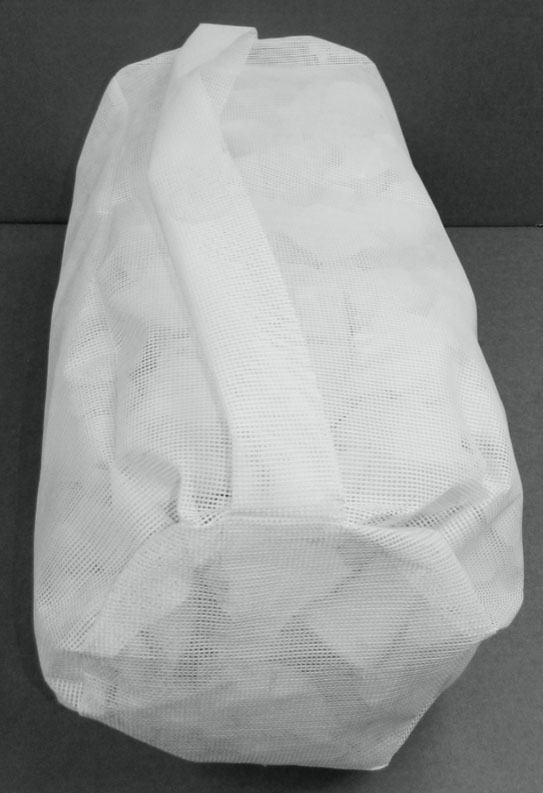
Bag filters
Transportable equipment rooms
Rain Diverter Systems
pH control system
TDS monitoring system
Electric disk skimmers
Automatic sludge dump systems
Corrosion protection packages for high salt or corrosive applications
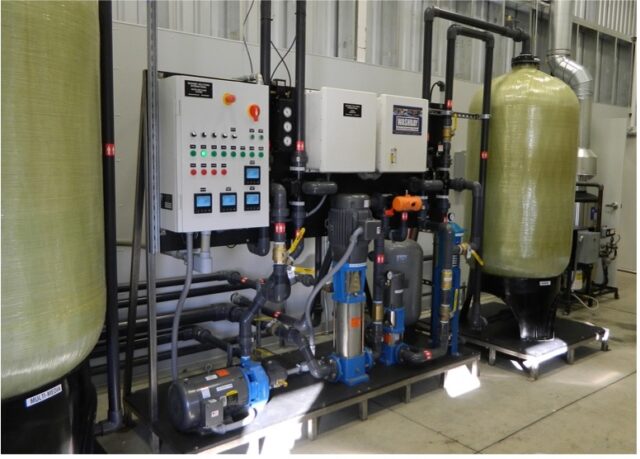
CT-65 – 65 GPM Closed Loop Treatment System
CT-10 – 10 GPM Closed Loop Treatment System with Tanks & Separator
Typical Closed Loop System Flow Process
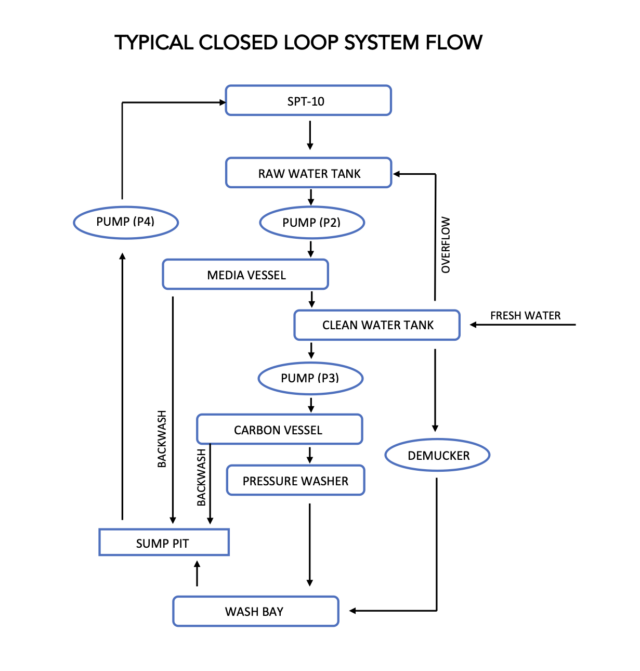
TYPICAL CLOSED LOOP SYSTEM SPECIFICATIONS
MODEL
CT-10/10
CT-35/20
CT-65/50
CT-100*
DESIGN FLOW RATE, GPM
1-10
1-25
10-55
30-100
COALESCING PLATE AREA, SF
41
124
211
400
COALESCING MEDIA, CF
4
8
24
48
CLARIFIER SEPARATOR SIZE, FT (WxLxH)
3 x 7 x 5
3.5 x 8 x 6
4 x 10 x 6
5 x 11 x 7
NON-EMUSIFYING INFLUENT PUMP, GPM MAX
20
50
75
125
MULTI-MEDIA, LBS
300-500
500-1000
2500-2600
3700-4200
ACTIVATED CARBON, CF
4-15
10-40
20-40
40
POLISHING FILTER, SET
1
1
1
1
RECLAIM RE-CIRCULATION PUMP, HP
1.5
1.5
3
5
RECLAIM RE-PRESSURIZATION PUMP, HP
1
3
5
7.5
DIRTY WATER STORAGE VOLUME, GAL
500-750
500-1000
750-1500
1000-2500
CLEAN WATER STORAGE VOLUME, GAL
500-750
500-1000
750-1500
1000-2500
OZONE SYSTEM, GRAMS/HR
8-16
8-32
16-32
32
RECLAIM CONTROL SYSTEM
PLC, Automatic, Manual or Off
RECLAIM PUMP FRAME SIZE, FT (WxLxH) (TANKS ADDITIONAL)
4 x 6 x 6.5
4 x 8 x 8
POWER REQUIREMENTS
208 / 240 V 1 ph or 208 / 240 / 480 V 3 ph
* LARGER CAPACITY SYSTEMS (200-1500 GPM) ARE AVAILABLE
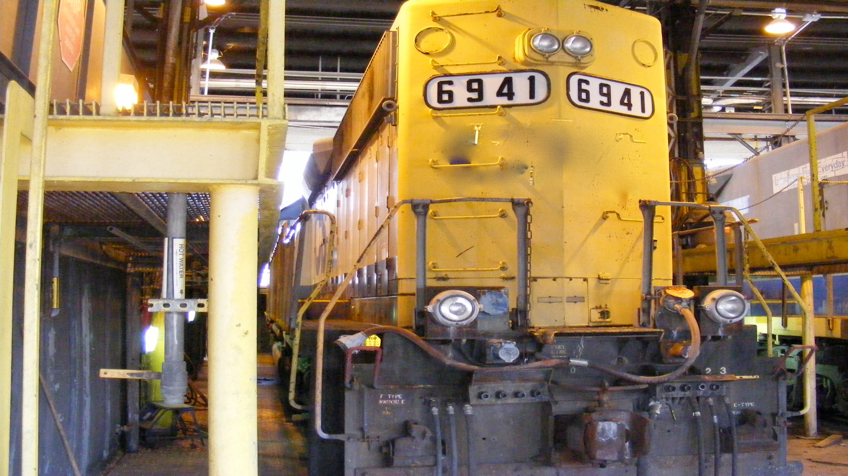
Water Treatment Solutions for Trains and Locomotives
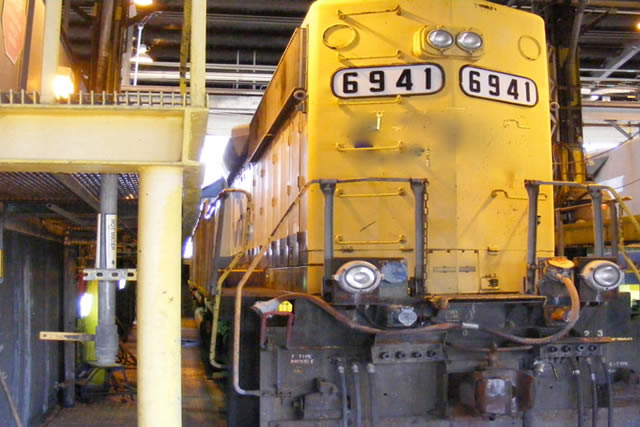
Rail is by far one of the most efficient means of transportation. It is estimated that one train can move a ton of freight almost 500 miles on a single gallon of fuel. Today, Rail Companies are aggressively embracing environmental initiatives by investing in new technologies that further reduce their carbon footprint, energy use, and water consumption.
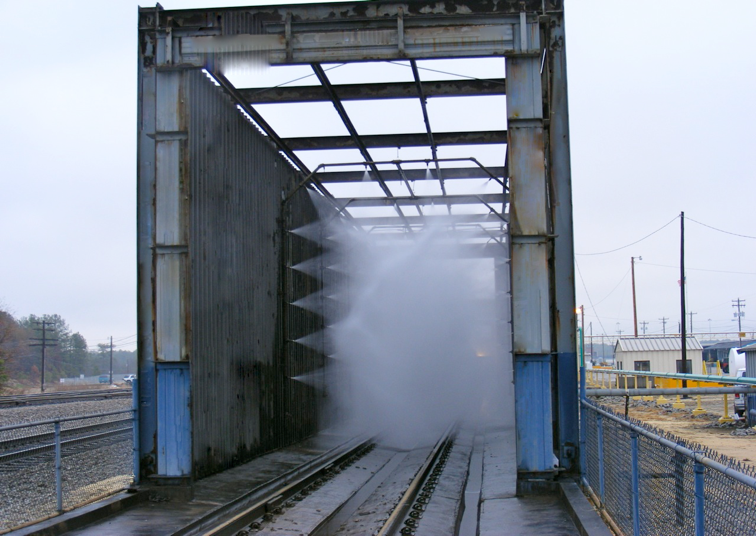
We can help rail companies keep the trains clean and in good working order AND help them reach their environmental goals. Engineered and manufactured for the locomotive industry, our Rail & Locomotive (RL Series) Systems are heavy-duty, multi-stage wash water reclaim systems which can be combined with our single or multi-stage wash and rinse arches for a complete wash system that uses a fraction of the water of other wash systems on the market.
In the first stage our RL Systems, the water is processed through a stainless steel clarifier oil water separator which removes most suspended solids (TSS), essentially all settleable solids and all free and dispersed non-emulsified oils from the waste stream.
After the clarifier separator, the water is further processed for re-use by going through an extremely efficient filtration process utilizing fully automated solids filtration and a proprietary blended activated carbon (GAC) polishing filtration. Processed water passing through the system will be free of particles greater than 10 microns in size, substantially all emulsified oils, waxes and other volatile organic compounds.
RL SERIES STANDARD FEATURES:
RL Series Multi-Stage/Multi-Pass Filtration
High-Efficiency Pumps
Corona Discharge Ozonation System
Solids Handling & Separation
TSS & FOG Reduction
Multi-Stage / Multi-Pass Filtration
Pressurized Blended Carbon Polishing Filter
Auto-Backwashing Filters
Stainless Steel Construction
NEMA 4X Control Panel with PLC controller
Depending on the location, many options are available to maximize the efficiency of the wastewater treatment system including:
Wash Bay Solutions provides industrial pressure washers and custom locomotive wash bay systems engineered specifically for the demanding needs of the railroad and locomotive industry. From Class I railroads to short line operators and transit authorities, our equipment helps rail facilities clean locomotives efficiently while meeting strict environmental and water-use regulations.
American rail companies continue to lead the transportation sector in sustainability, water conservation, and environmental compliance. Wash Bay Solutions supports these initiatives with heavy-duty cleaning systems and water recycling technology designed to reduce operating costs, minimize downtime, and extend equipment life.
Industrial Pressure Washers for Locomotive Cleaning
Locomotive Wash Bay Solutions
Locomotive cleaning requires far more power and durability than standard industrial washing. Wash Bay Solutions offers electric and gas-fired hot water pressure washers designed for continuous use in rail yards and maintenance facilities.
Our locomotive pressure washers feature an inline flow regulator that allows operators to adjust both flow rate and pressure directly at the wand. This flexibility makes it easy to clean everything from engine housings and undercarriages to railcars and support equipment—without switching machines.
Key benefits of our locomotive pressure washers include:
High-pressure, high-flow performance for faster cleaning
15–20% improved washing efficiency compared to conventional systems
Reduced water and energy consumption
Heavy-duty components designed for long service life
Safe, operator-friendly controls for daily rail yard use
These systems are ideal for rail operators seeking a reliable, cost-effective locomotive pressure washing solution that delivers consistent results shift after shift.
Custom Locomotive Wash Bay & Wash Arch Systems
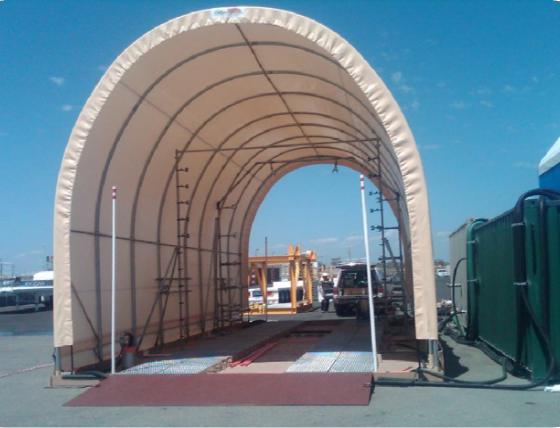
For higher-volume operations, Wash Bay Solutions designs and builds custom locomotive wash bays and automated wash arch systems tailored to your facility layout and operational requirements.
Our locomotive wash bay systems can be installed in new construction or retrofitted into existing wash facilities. Each system is engineered around the size, clearance, and throughput needs of your locomotive fleet.
Available features include:
Engineered 360-degree coverage for wetting, soaping, and rinsing
Stainless steel wash arches for corrosion resistance
Automated controls for safety and repeatable wash quality
Configurations that support both manual and automated washing
Designs compliant with modern environmental and safety standards
Whether you operate a single service bay or a large rail yard, our wash bay solutions are built to maximize uptime and cleaning consistency.
Water Recycling & Environmental Systems for Locomotive Wash Bays
Water conservation and environmental compliance are critical concerns for locomotive facilities. Wash Bay Solutions integrates closed-loop water reclaim and recycling systems into both pressure washer and wash bay installations.
These systems capture, treat, store, and reuse wash water—dramatically reducing fresh water consumption while supporting environmental goals.
Our locomotive wash water systems can include:
Closed-loop water recycling for continuous reuse
Sewer discharge treatment systems where permitted
Ozone disinfection for improved water quality
Automated filtration with PLC controls
Rainwater management and fresh water makeup systems
The result is a complete locomotive wash solution that lowers operating costs while meeting regulatory requirements at the local, state, and federal levels.
Why Locomotive Operators Choose Wash Bay Solutions
Rail operators choose Wash Bay Solutions because we deliver turnkey locomotive washing systems—from powerful pressure washers to fully integrated wash bays and water recycling technology. Our systems are designed with real-world rail operations in mind, helping facilities:
What pressure washer is best for cleaning locomotives?
Locomotive cleaning requires industrial-grade, hot water pressure washers with high flow and adjustable pressure. Wash Bay Solutions designs pressure washers specifically for rail applications, providing the power and durability needed for daily locomotive washing.
Can pressure washers be used instead of a full locomotive wash bay?
Yes. Many rail facilities use heavy-duty pressure washers for flexible, manual cleaning. High-volume operations often combine pressure washers with automated wash bays for maximum efficiency.
Do locomotive wash bays require water recycling systems?
While not always required, water recycling systems are strongly recommended. They significantly reduce water usage, lower operating costs, and help rail facilities comply with environmental regulations.
Can Wash Bay Solutions retrofit existing locomotive wash facilities?
Yes. We design retrofit solutions for existing wash bays, upgrading them with modern wash arches, pressure washing systems, and water reclaim technology.
Are your systems compliant with environmental regulations?
Wash Bay Solutions designs all locomotive wash systems with environmental compliance in mind, including water treatment, discharge options, and conservation technologies.
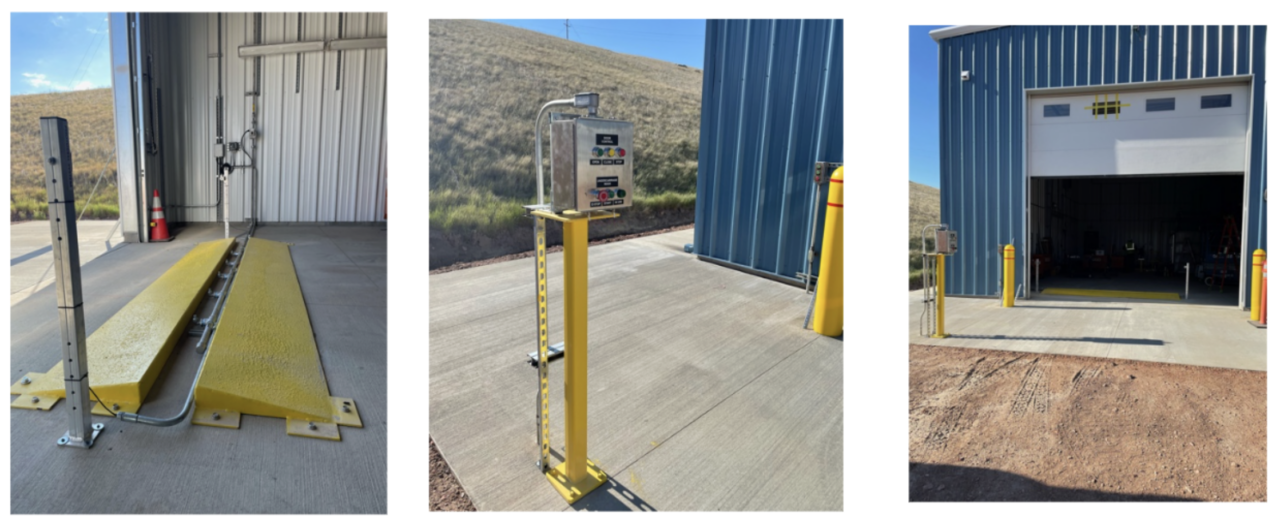
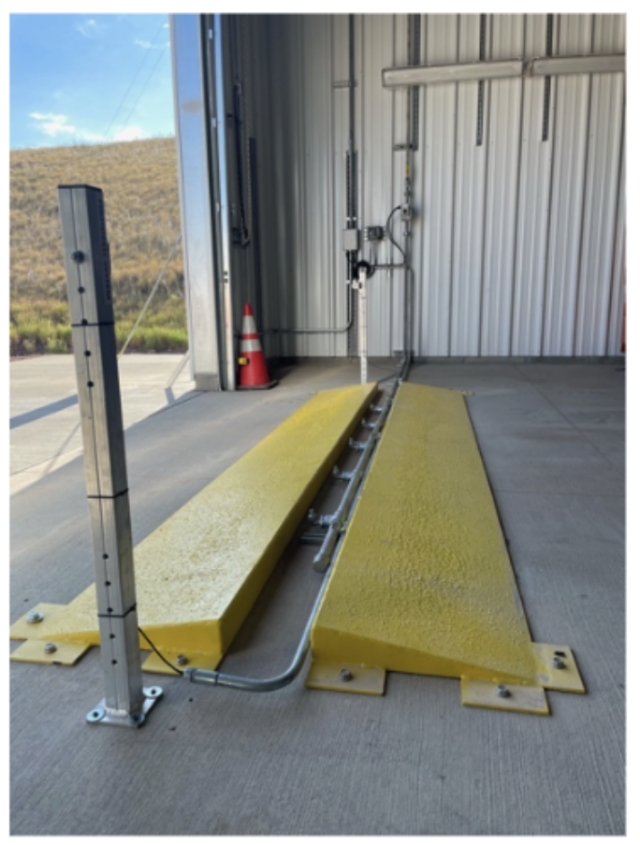
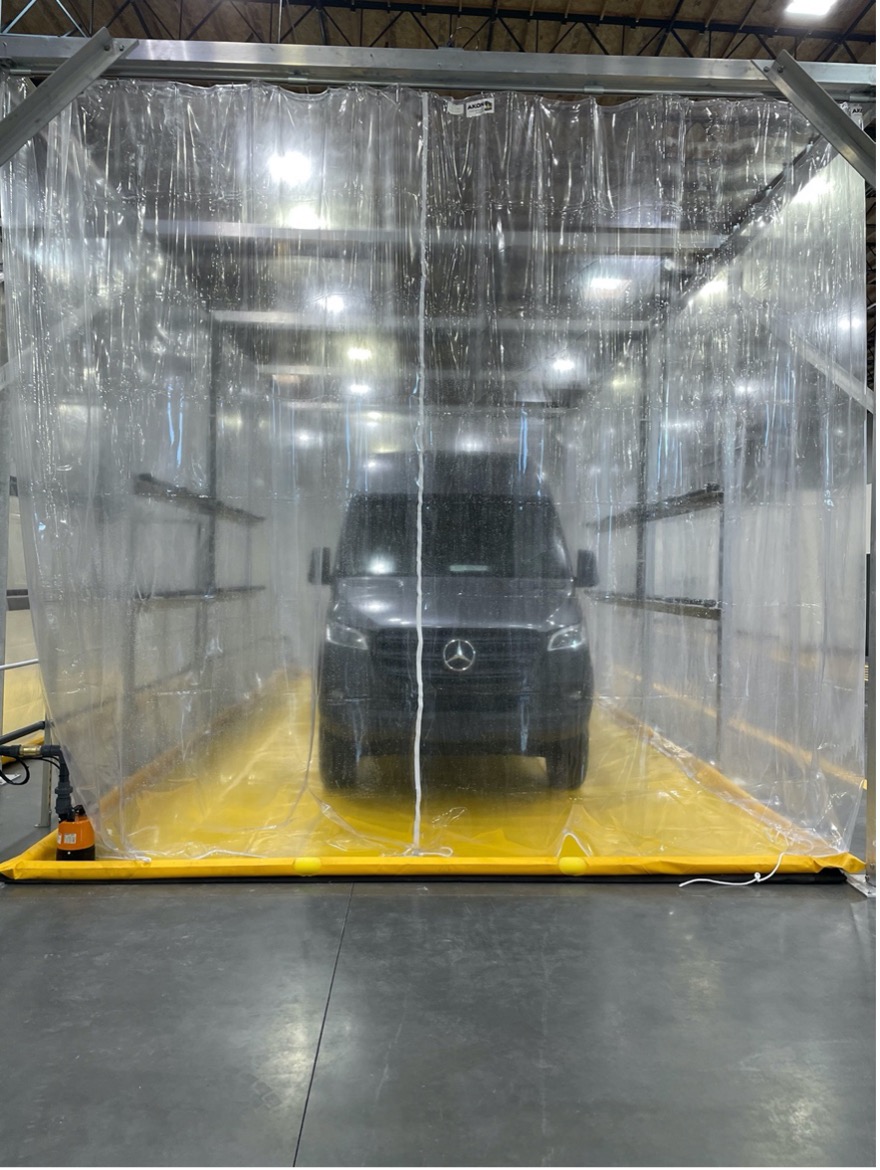
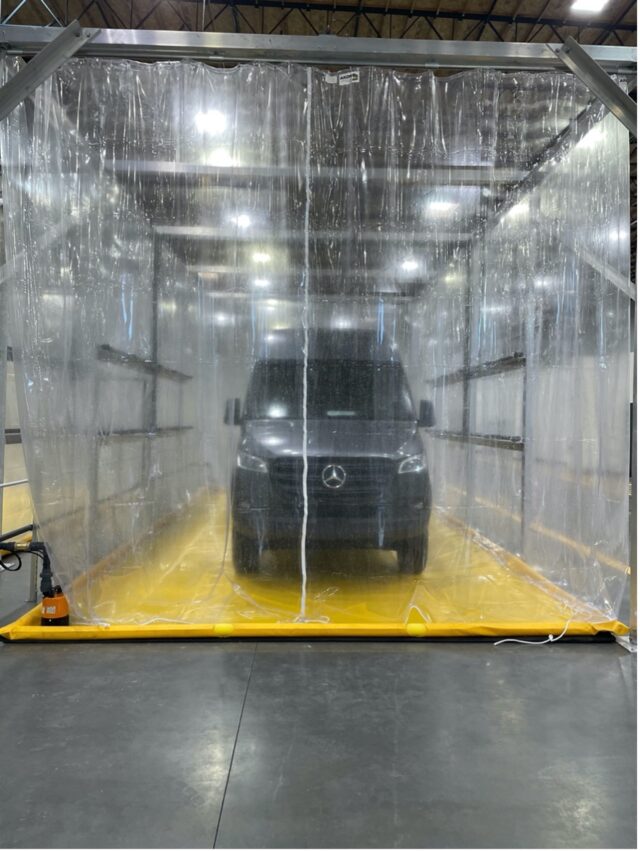
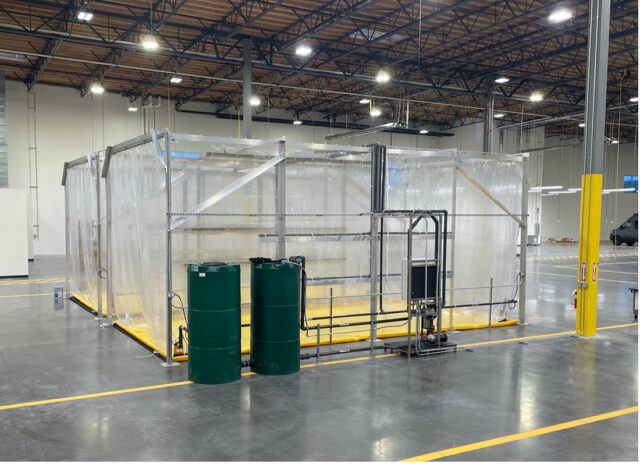
For clients who have to leak test vehicles to ensure that there has been no water intrusion after manufacturing or modifications, we have developed a complete leak testing system. Custom engineered to fit your facility and testing protocols, our water intrusion / leak testing systems consist of containment pads, test arches, a water supply system and a fully automated filtration system designed to remove contaminants from the test water so that it can be re-used for a period of time prior to disposal or discharge to the sewer. Designed for commercial and industrial applications, all features of the system are manufactured to insure superior performance and minimal operating requirements.
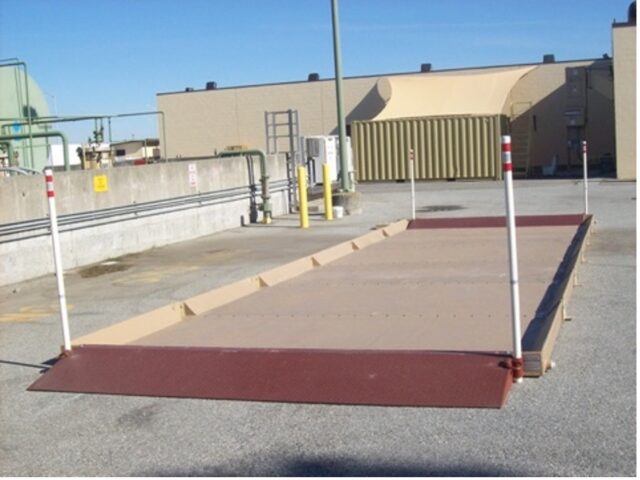
The containment system consists of a water containment pad constructed of steel or heavy-duty PVC.
Sized to fit your facility and test vehicle, these pads feature entrance and exit ramps and drive over and/or pedestrian grating, if desired. Custom-sized water-proof canvas canopies, PVC curtains or Fiberglass walls are installed on the pad to minimize overspray.
The leak test system is built to fit into the containment system so there is no overflow. Depending on the client’s needs, the leak test system will include multiple side and overhead spray arches, vertical spray posts, and undercarriage spray bars, positioned to provide optimal coverage. The spray test will last for a client-specified period of time and can be easily controlled by a driver with a remote start/stop key fob.
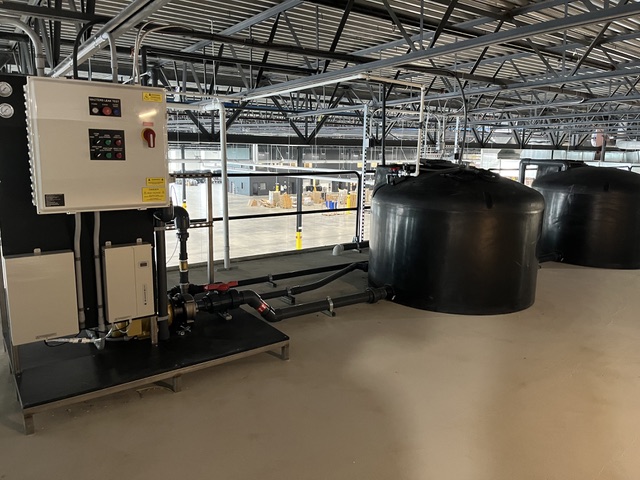
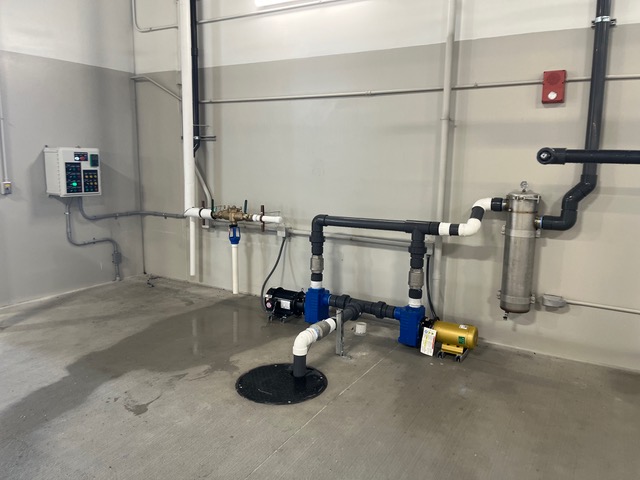
During the water intrusion / leak test, water is automatically pumped from the containment pad through an initial filter to remove any minor solids and contamination. From there, water is pumped into manifolded water management tanks. The tanks provide enough water storage to permit proper water balancing during the testing period and the water recovery time. The tank system is equipped with level switches to protect the pumps and to automatically provide for fresh water make-up due to evaporation or drive-off losses. From these tanks, water is pumped back to the test arches, when needed.
In most leak test applications, the contaminants are minimal so this pumping and filtration cycle can last a considerable amount of time. When the water becomes too contaminated to re-use, however, the water can be pumped out or processed through additional filtration and discharged to the sewer.
Containment Pad with Canopy/Walls –
Either fiberglass covered steel or HD PVC containment basins
Entrance & exit ramps
Drive-over, galvanized grating, installed with supports
Water-proof canvas canopy, PVC curtains or Fiberglass walls with supports
Leak Test System – designed for installation in containment pad
Spray arches with PVC piping and Aluminum frames
Entrance/Exit Spray posts with PVC piping and Aluminum frames
Undercarriage spray floor spray bar with PVC piping
Stainless steel fixed nozzles installed in PVC piping
Pumping & Treatment System- designed for installation adjacent to containment pad
Typically 60 GPM Flow rate @ 40 psi – can be higher or lower to client specifications
Non-Ferrous Construction – Stainless Steel, PVC
Fully-Automatic, pre-wired, pre-plumbed
UL listed custom control panel with relays and valves and level switches
Remote start and stop, field adjustable run time
Multiple water storage tanks with level sensors to receive water from basin
Fresh-water make-up system to keep tanks filled
Multiple pumps to circulate water from pad to arches and filtration system
These complete Transportable Equipment Rooms (TER) are ideal for housing washing and reclaim equipment at sites without incurring any construction costs, delays, or permanent structures.
For over 30 years, we have custom-engineered and built cleaning and pumping systems based on our customer’s individual specifications and site-specific needs.
By integrating a range of pumps, tanks, and control systems, custom systems can be built to meet specific design and output requirements for virtually any low, medium or high pressure cleaning or pumping application.
If you think you have a unique application, let us design a unique system for you. Here are some of the interesting projects we have already tackled:
Electrically heated aircraft de-icing systems for use on regional jets
Air-driven and electric-driven pumping packages for high pressure injection and drill bit cooling in underground mining applications
Integrated, variable volume pumping packages for use with water soluble cutting oil on CNC machines
High volume, high pressure pumping packages for use on egg carton extrusion presses
High pressure, low volume pumping packages utilizing hot and cold de-ionized water for automated printed circuit board cleaning systems
High pressure systems for cleaning with heavy water in nuclear reactors
High pressure, high volume pumping packages for de-watering in sewage treatment plants
Automated pumping packages utilized in precooked shell fish cleaning systems
Electrically heated systems for high pressure cleaning with peanut and vegetable oils in food grade applications
As an integral part of our closed loop wastewater treatment systems, our ozone generators eliminate odors and contaminates from the water and reduce operating costs by lowering freshwater usage and eliminating expensive chemical disinfectants and deodorants.
Depending on the application, our turnkey ozone generators house both an ozone generation cell and an oxygen concentrator or air dryer. Simply plug into electrical power and produce both oxygen and ozone from one unit. Compact, easy to use, and reliable, these systems will work in a variety of tough industrial applications.
Turnkey Ozone Generator with Air Dryer
Produces up to 10 g/hr of ozone @ 4 l/min of oxygen at over 3% by weight
Integrated Air dryer provides 8 LPM Dry Air for ozone generation
Efficient ozone generation – high concentration ozone
Air cooled Ozone Generator – no cooling water necessary
Visual Flow-meter
Adjustable ozone output
Easy to install and operate
Attachments to integrate into water reclaim system
Power required: 120 or 220 VAC
Compressed air required: 4 CFM
Air dryer can provide air dried to 40 deg F dew point for more efficient ozone generation
Removeable corona cell for easy cleaning or repair
Turnkey Ozone Generator with Oxygen Concentrator
Produces 10-150 g/hr of ozone from 4-30 l/min of oxygen
Integrated Oxygen Concentrator produces 4-30 l/min of oxygen
Efficient ozone generation – high concentration ozone
Air cooled Ozone Generator – no cooling water necessary
Visual Flow-meter
Adjustable ozone output
Easy to install and operate
Attachments to integrate into water reclaim system